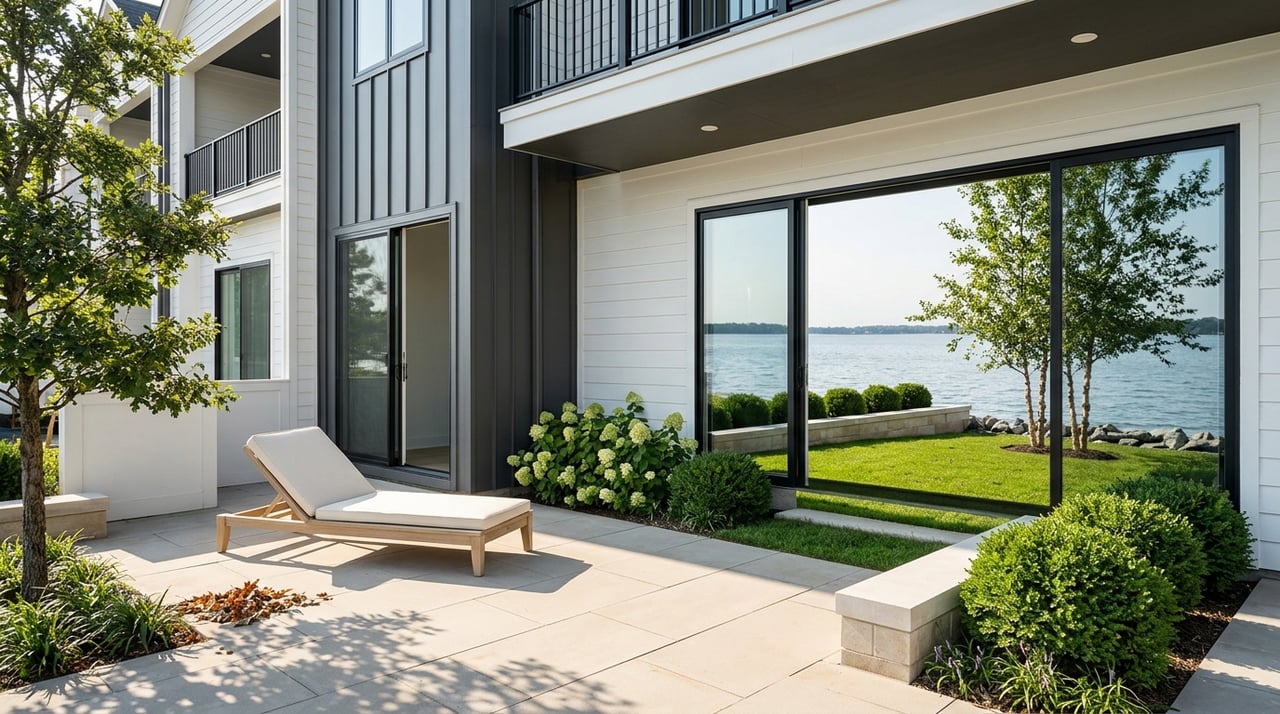
Dreaming about lake living but still need everyday life to work? Lake Wylie offers a rare mix of scenic water views, outdoor recreation, and practical access to Charlotte and York County job centers. If you are wondering what it is actually like to live on Lake Wylie full time, this guide will help you understand the setting, lifestyle, housing patterns, and day-to-day tradeoffs so you can decide if it fits your goals. Let’s dive in.
Lake Wylie at a glance
Lake Wylie sits along the South Carolina and North Carolina border between Rock Hill and Charlotte. It was created in 1904 and is one of the oldest reservoirs on the Catawba River. Today, it covers about 13,443 acres and includes roughly 325 miles of shoreline.
The Lake Wylie area in York County is an unincorporated Census Designated Place with nearly 14,000 residents. Because much of the community sits on a peninsula, it often feels more like a connected lake area than a traditional town center. That shapes everything from traffic flow to the overall pace of life.
Everyday life revolves around the water
For many residents, the lake is not just a backdrop. It is part of the weekly routine. Boating, fishing, paddling, and spending time outdoors are central to the lifestyle here.
Even if you do not own a waterfront home, Lake Wylie still gives you ways to enjoy the water. York County and state resources point to several public access options, which helps make the lake feel more usable for a wide range of residents.
Boating and lake access
Ebenezer Park is a popular access point with three boat ramps that are open year-round. Allison Creek Park offers four boat ramps, a kayak and canoe launch, a fishing dock, campground sites, picnic shelters, a playground, and about three miles of trails.
Lake Wylie also has marinas with pumpout services, including Lake Wylie Marina, River Hills Marina Club, and Tega Cay Marina. For buyers who plan to keep a boat nearby, these amenities can make a meaningful difference in how often you actually use the lake.
Fishing is part of the lifestyle
Fishing remains a big part of Lake Wylie’s identity. The South Carolina Department of Natural Resources manages the lake for recreational fishing and notes popular species such as largemouth bass, crappie, and catfish.
If you plan to fish in South Carolina waters of Lake Wylie, York County notes that anyone age 16 or older needs a valid South Carolina fishing license. That is a small detail, but it is one of the practical parts of lake life that full-time residents should know.
Recreation beyond the shoreline
Living near Lake Wylie is not only about boats and docks. Field Day Park at Lake Wylie adds pickleball and other active recreation on the land side of the community, giving residents more options for everyday fun.
That balance matters. You can enjoy the lake-centered lifestyle without feeling limited to water activities alone, which makes the area appealing for households with different interests and routines.
Lake Wylie is scenic, but it is also managed
One of the most important things to understand about Lake Wylie is that it is a working reservoir. Duke Energy says the broader Catawba-Wateree system supports recreation, drinking water, habitat benefits, and regional power generation.
That means shoreline life comes with structure. Lake levels, shoreline use, and public access are managed rather than left entirely open-ended. If you love the beauty of waterfront living, it helps to also appreciate the rules that protect and regulate it.
Waterfront ownership has added rules
If you own or plan to buy a waterfront property, you should expect more oversight than you would with a standard suburban lot. Duke Energy says changes involving docks, dredging, and shoreline stabilization on its lakes generally require permits.
This does not make waterfront ownership a bad idea. It simply means you will want to go in with clear expectations. Understanding the approval process can help you avoid surprises if you want to improve or personalize your shoreline setup.
What homes and neighborhoods feel like
Lake Wylie offers a mix of rural, suburban, and lake-oriented living. According to York County planning documents, growth in the area has been strong enough to require thoughtful planning around transportation and the natural environment.
For you as a buyer, that usually translates into a housing landscape that feels more residential and less urban. Larger-lot subdivisions and single-family residential patterns are common in the broader area, and Lake Wylie is often viewed as a bedroom-suburb location for people commuting toward Charlotte.
A more residential feel
If you are hoping for high-rise density and a busy urban grid, Lake Wylie will likely feel very different. The area is shaped by peninsulas, coves, and shoreline development patterns, so neighborhoods often feel more tucked away and home-centered.
That can be a major draw if you want space, privacy, and access to nature. It can also appeal to buyers looking for a year-round home that feels relaxed without being remote.
Growth is guided by planning
York County has a dedicated Lake Wylie Overlay District intended to guide development in a way that fits the area’s character. The county has also adopted residential design standards for new single-family detached homes in major subdivisions within the overlay district.
For buyers, this signals that growth is being managed with the community’s long-term look and function in mind. In a fast-changing area, that kind of planning can matter.
Commuting from Lake Wylie
One reason Lake Wylie stands out is that it offers lake living with realistic access to major employment centers. York County planning materials say Highway 49 connects the area to Interstate 485 and Uptown Charlotte.
The Buster Boyd Bridge is also described as a valuable link to Charlotte for Lake Wylie residents. York County Economic Development further notes the county’s access to Charlotte Douglas International Airport and the larger Charlotte region.
The upside of the location
If you work in Charlotte, Rock Hill, or elsewhere in York County, Lake Wylie can give you a lifestyle shift without cutting you off from work and travel needs. That is a major reason the area appeals to commuters, long-distance movers, and relocation buyers.
For clients moving from another market, this is often the sweet spot. You get a more scenic, recreation-focused home base while staying connected to the metro area.
The tradeoff to know
Lake Wylie’s cove-and-peninsula layout limits local road connectivity. York County notes that Charlotte Highway is the most heavily traveled arterial in the study area, and transportation planning continues to be an important topic as the area grows.
In simple terms, the setting that makes Lake Wylie beautiful can also affect how traffic moves. If commute time and route flexibility are high priorities for you, it is worth weighing those factors carefully.
Who tends to enjoy Lake Wylie most
Lake Wylie tends to work best for buyers who want an outdoor-first lifestyle with a commute-capable address. It is well suited to people who enjoy boating, fishing, trails, parks, and the feel of water being part of everyday life.
It can also make sense for second-home seekers who want a weekend atmosphere that still functions year-round. And for relocation clients, it offers a compelling option if your goal is to stay connected to Charlotte while living in a setting that feels more relaxed and residential.
It may be a strong fit if you want
- A lake-centered lifestyle with regular outdoor recreation
- A residential setting instead of a dense urban environment
- Access to Charlotte, Rock Hill, and York County destinations
- Housing options that range from suburban to waterfront living
- A community where weekday and weekend routines can blend together
It may be a weaker fit if you want
- Dense urban walkability
- A neighborhood where most errands can be done on foot
- Highly connected road networks with many alternate routes
- A home setting that feels more city-centered than nature-centered
The overall feel of living on Lake Wylie
Living on Lake Wylie often feels like your daily routine and your downtime happen in the same place. The lake is scenic, but it is also practical. You can launch a boat, spend time on trails, enjoy public parks, and still keep one foot in the Charlotte metro economy.
That overlap is what makes the area so appealing. It is not just a vacation backdrop. For many residents, it is a full-time way of life built around water, recreation, and a more residential pace.
If you are considering a move to Lake Wylie, the best next step is to look beyond the view and think about how you want to live day to day. The right home here is not only about shoreline or square footage. It is about choosing the version of lake life that fits your routine, your commute, and your long-term goals.
When you are ready for thoughtful, high-touch guidance, Kendra Conyers can help you explore Lake Wylie with clarity and confidence.
FAQs
What is Lake Wylie like for full-time living?
- Lake Wylie feels like a lake community with a mix of residential neighborhoods, outdoor recreation, and access to Charlotte, Rock Hill, and York County job centers.
What activities are popular on Lake Wylie?
- Boating, fishing, kayaking, canoeing, camping, trail use, and park-based recreation are all popular parts of life around Lake Wylie.
What should buyers know about Lake Wylie waterfront homes?
- Waterfront ownership can involve added rules because changes to docks, dredging, and shoreline stabilization on Duke Energy lakes generally require permits.
What is the commute like from Lake Wylie to Charlotte?
- York County says Highway 49 and the Buster Boyd Bridge help connect Lake Wylie to Interstate 485 and Uptown Charlotte, though the peninsula layout can limit road connectivity.
Is Lake Wylie a walkable urban area?
- Lake Wylie is generally a weaker fit for buyers who want dense urban walkability or a setting where most errands can be done on foot.
What kinds of homes are common in Lake Wylie?
- The area is known for a mix of rural, suburban, and lake-oriented housing, with larger-lot subdivisions and single-family residential patterns common in the broader area.