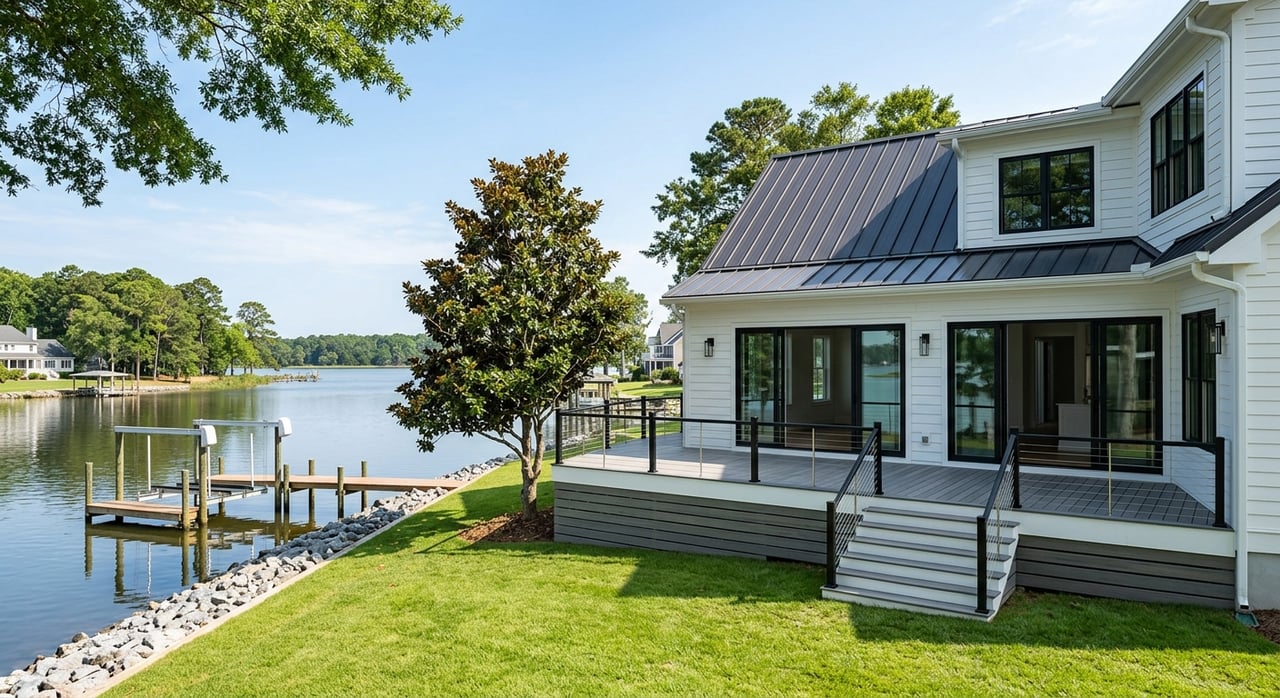
Dreaming about sunrise views, a private dock, and weekends on the water? Buying a waterfront home on Lake Wylie can be incredibly rewarding, but it also comes with details that many buyers do not expect. If you want to enjoy the lifestyle without surprises after closing, you need to look beyond the house and study the shoreline, regulations, and cove conditions too. Let’s dive in.
Why Lake Wylie Feels Different
Lake Wylie is not just a scenic backdrop. It is a managed Duke Energy reservoir on the North Carolina and South Carolina border between Rock Hill and Charlotte, with about 13,443 acres and 325 miles of shoreline, according to Duke Energy and official lake resources. That matters because water levels, shoreline work, and dock features are shaped by systemwide rules, not just neighborhood preferences.
The lake also supports recreation, hydroelectric generation, and regional water supply uses. In practical terms, that means your waterfront purchase should be evaluated as both a home purchase and a shoreline-use decision.
Start With the Shoreline
When you tour a waterfront property, it is easy to focus on the views, outdoor living space, and whether the dock looks move-in ready. On Lake Wylie, the smarter first question is whether the visible shoreline features were properly approved.
Duke Energy’s Catawba-Wateree Shoreline Management Plan guides construction, shoreline stabilization, excavation, and resource protection across the reservoir system. A dock, seawall, riprap, dredged cove edge, or cleared shoreline should be treated as a permit item, not just an amenity.
Ask for permit history
Before you close, ask whether the seller can document:
- Dock or pier permits
- Boat lift approvals
- Shoreline stabilization work
- Clearing or tree removal near the water
- Any dredging or excavation activity
Duke Energy states that owners should contact Lake Services before changing piers, docks, or shoreline property, and shoreline projects move through the Lake Access Permit System. If work was done without proper approval, you may inherit a problem instead of a perk.
Do not assume the dock tells the full story
A beautiful dock does not automatically mean it is compliant, transferable, or suited to your future plans. If you hope to expand, reconfigure, or add features later, you may need fresh approvals from Duke Energy and potentially local authorities as well.
Water Depth and Lake Levels Matter
One of the biggest mistakes waterfront buyers make is visiting once and assuming the water depth will always feel the same. Because Lake Wylie is part of a managed hydropower system, lake levels can change.
Duke Energy posts current lake levels and a Wylie Development recreation calendar that can help you understand changing conditions. If boating access is a major reason for your purchase, check how the dock and cove perform under different water levels, not just on showing day.
Questions to ask about water access
- How much water depth is typical at the end of the dock?
- Does the cove become shallow during certain periods?
- Is the lot better suited for pontoons, fishing boats, or limited watercraft use?
- Has the seller noticed seasonal changes in usability?
These questions can help you match the property to the way you actually want to use the lake.
Review Buffer Rules Before Planning Changes
Many buyers picture trimming vegetation, opening the view, or improving the path to the water after closing. On Lake Wylie, those plans may be regulated.
On the North Carolina side, the NC Department of Environmental Quality says the Catawba buffer rule protects the main stem and main-stem lakes with a 50-foot vegetated buffer, with the first 30 feet undisturbed in many cases. On the South Carolina side, York County requires a Lake Wylie and Catawba River buffer application that can involve a survey, a tree survey, and sometimes a shoreline stabilization plan.
The key takeaway is simple: shoreline clearing, tree removal, and hardscape improvements are not just design choices. They can trigger Duke Energy review, county review, or both.
HOA Rules Can Affect the Waterfront Lot
A waterfront home can come with more than one layer of oversight. In many Lake Wylie communities, HOA rules apply alongside county requirements and Duke Energy shoreline rules.
That is why your due diligence should go far beyond monthly dues. You want to know how the community governs the lot itself, especially if you plan to use the property for boating, outdoor entertaining, or future improvements.
Documents worth reviewing
Before closing, review:
- Covenants and bylaws
- HOA budgets and reserve information
- Architectural standards
- Rental restrictions
- Boat and trailer parking rules
- Guest parking policies
- Dock or lift guidelines
- Shoreline planting or landscaping rules
North Carolina’s legislative resources note that HOA authority is grounded in governing documents such as declarations, bylaws, and articles of incorporation. South Carolina disclosure rules also require sellers to disclose whether a property is subject to HOA governance and related obligations or costs. For a waterfront buyer, that review is essential.
Understand the Lifestyle Tradeoffs
Lake Wylie offers a true waterfront lifestyle, but it is not a private, low-traffic retreat in every location. It is a highly used recreational lake with public access and active enforcement.
The South Carolina Department of Natural Resources notes public boat access areas and marinas on Lake Wylie, and Charlotte-Mecklenburg Police explain that the lake required a dedicated enforcement unit due to rapid development and increasing recreational use. That can be a positive if you enjoy an active lake environment, but it is still worth understanding before you buy.
What this means for you
Depending on the cove and season, you may experience:
- More boat traffic
- More weekend noise and wake activity
- Greater visibility from the water
- A stronger public recreation presence than expected
If peace and privacy are high priorities, visit the property at different times of day and on both weekdays and weekends.
Cove Conditions Can Change the Experience
Not every stretch of shoreline lives the same. Two homes on the same lake can offer very different day-to-day experiences depending on the cove, water movement, and seasonal conditions.
In 2025, Charlotte Water reported Lyngbya management work on Lake Wylie and noted that this growth can clog boat motors and affect the lake experience. The City of Charlotte also reported a harmful algae bloom watch in lower Lake Wylie. That does not define every property, but it does reinforce the importance of evaluating the specific location, not just the mailing address.
Smart questions for a waterfront showing
Ask:
- Has this cove had recurring algae or mat growth?
- Are there seasonal water-quality concerns here?
- How often is the dock area cleaned or maintained?
- Does water movement here affect swimming or boating enjoyment?
These details can shape how much you enjoy the property long term.
Flood Risk Still Belongs in the Conversation
It is easy to assume that a beautiful waterfront lot is automatically worth the tradeoff. But flood risk should always be part of your review.
FEMA explains that flood maps are the official tool for checking a property’s flood hazard, that there is no no-risk zone, and that most homeowners insurance does not cover flood damage. FEMA also notes that National Flood Insurance Program coverage is separate and usually includes a waiting period before taking effect.
Before you buy, verify
- Whether the lot is in a mapped flood zone
- Whether the lender will require flood insurance
- Whether any structures sit in more vulnerable areas of the lot
- What your insurance professional says about available coverage and cost
This is one of the most important financial questions in any waterfront purchase.
A Practical Lake Wylie Buyer Checklist
If you want to buy with confidence, keep your due diligence focused on the issues that matter most on this lake.
What to confirm before closing
- The dock or pier is permitted and properly documented
- Shoreline improvements were approved where required
- The lot’s flood risk is understood
- Buffer restrictions have been reviewed
- HOA rules affecting waterfront use are clear
- Boat, trailer, rental, and guest policies fit your needs
- The cove’s water depth and seasonal conditions support your lifestyle
- You understand the public recreation activity around the property
A waterfront home can be a beautiful investment in your lifestyle and your future. The key is making sure the property works not only on paper, but also in real daily use.
When you are ready for a thoughtful, high-touch approach to buying on the lake, Kendra Conyers is here to help you evaluate the details that matter and move forward with confidence.
FAQs
What should you verify before buying a waterfront home on Lake Wylie?
- You should verify dock and shoreline permits, flood-zone status, buffer restrictions, HOA rules, and cove-specific water conditions before closing.
How do dock permits work for Lake Wylie homes?
- Duke Energy manages shoreline and dock-related approvals through its Lake Services processes, so buyers should ask for documentation for any existing dock, pier, lift, or shoreline work.
Do HOA rules matter when buying a Lake Wylie waterfront property?
- Yes. HOA rules can affect rentals, parking, boat and trailer storage, shoreline planting, dock features, and architectural changes.
Why do lake levels matter when buying on Lake Wylie?
- Lake Wylie is part of a managed reservoir system, so water depth and dock usability can change. Buyers should review current lake levels and ask about seasonal access.
Is flood insurance important for Lake Wylie waterfront homes?
- Yes. FEMA says flood maps are the official tool for assessing flood hazard, and flood coverage is typically separate from standard homeowners insurance.
Can water quality vary by cove on Lake Wylie?
- Yes. Official reports show that algae or mat growth can affect parts of the lake, so buyers should ask about the specific cove rather than relying on broad assumptions about the lake as a whole.